
May 4, 2026 | Blog
Roncesvalles Eviction Case Shows How Complex Rental Situations Can Become
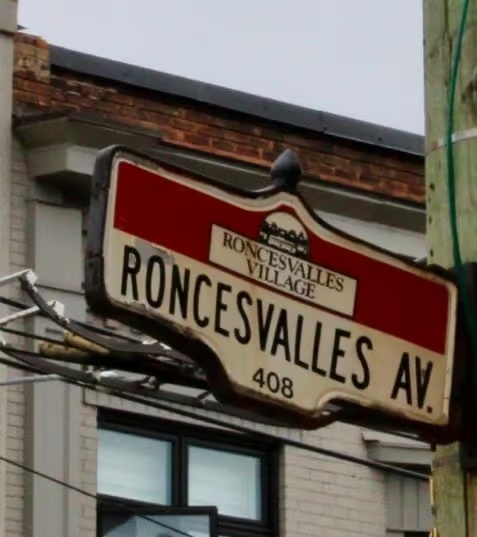
A Long-Term Community Suddenly Facing Change
A recent case in Toronto’s Roncesvalles neighbourhood has drawn attention not just because of the eviction but because of who is involved.
The tenants in this situation were not short-term renters. Many had lived in their units for years, building routines, relationships, and a sense of stability in the community.
When the building was sold to a new owner in 2024, that stability was suddenly put into question.
Eviction Notices Issued After Ownership Change
Following the purchase, the new landlord issued eviction notices using different legal grounds.
These included notices for personal use (N12) and notices tied to plans for renovation or changes to the property (N13).
From a legal perspective, these are recognized tools that landlords can use.
However, in practice, they often lead to disputes—especially when tenants question whether the reasons meet legal requirements.
Tenants Challenge the Process
Rather than accepting the notices, tenants pushed back.
Some questioned whether the eviction reasons were valid, while others raised concerns about what the changes would mean for their housing security.
Because of this, the situation moved beyond a simple notice and became a formal legal process.
The case was brought to the Landlord and Tenant Board (LTB), where the outcome depends on evidence, documentation, and compliance with regulations.
Not All Evictions Are Approved
One key detail in this case is that at least one eviction application was dismissed.
This is important because it highlights a reality many landlords underestimate:
- issuing a notice does not guarantee eviction
Even when a landlord has a plan, the LTB must be satisfied that the legal criteria are fully met.
If not, the application can be delayed or rejected.
More Than Just a Legal Issue
While this case involves legal procedures, it also shows the human side of rental housing.
For tenants, eviction is not just about relocating. It can mean:
- losing long-term housing
- facing significantly higher rents elsewhere
- difficulty finding comparable options
For landlords, what may begin as a straightforward plan can become:
- a lengthy legal process
- unexpected delays
- additional costs
Why Situations Like This Are Increasing
As more properties change ownership and redevelopment becomes more common, similar situations are appearing more frequently.
At the same time, tenant protections remain strong, and the process is carefully regulated.
This creates a reality where:
- both landlords and tenants have rights
- but outcomes are not always predictable
What Landlords Should Take From This Case
This case is a clear reminder that rental property decisions require more than just intent.
Even when a landlord believes they are acting within their rights, success depends on:
- using the correct notice type
- ensuring documentation is complete
- understanding how the case will be evaluated
Without this, even valid plans can face challenges.
How Topromanage Helps Landlords Navigate Situations Like This
At Topromanage, we support landlords by approaching these situations with both strategy and compliance in mind.
This includes:
- reviewing the appropriate course of action before notices are issued
- ensuring all documentation meets current requirements
- helping landlords anticipate potential challenges in advance
By taking a structured approach, landlords can reduce risk and avoid unnecessary complications.
Final Thoughts
The Roncesvalles case shows that rental management today is not always straightforward.
As the rental market continues to evolve, understanding both the legal framework and real-world dynamics will be essential.
Managing a property is no longer just about ownership—it is about navigating an increasingly complex system with the right knowledge and approach.

The Topromanage Experience
Discover decades of industry expertise that covers all of the GTA and Southern Ontario.



Scan A QR Code to Connect With Us
WeChat
WhatsApp