
September 16, 2026 | Blog
Tenant Says It’s Too Cold — When Must GTA Landlords Turn On the Heat?
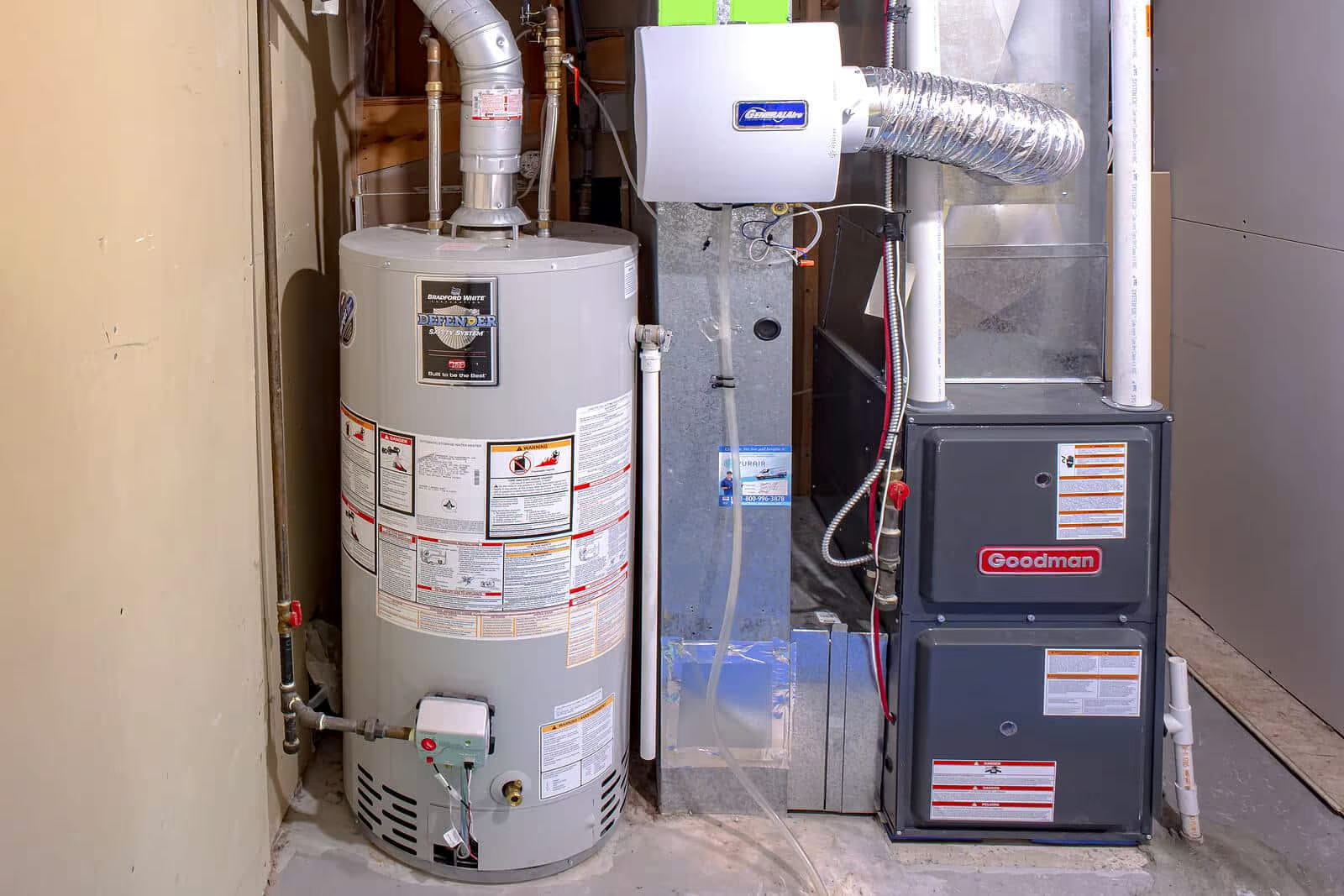
It is the middle of September.
The afternoon temperature is still comfortable, but nights are getting colder. Then your tenant sends a message:
“The unit is freezing. Can you turn on the heat?”
Some landlords may think:
“Heating season doesn’t start until October.”
Others may turn the furnace on immediately because they are worried about violating Ontario rental rules.
So which one is correct?
The answer is more complicated than simply looking at the calendar.
Ontario has provincial heating requirements, while municipalities such as Toronto and Vaughan also have their own temperature standards. For landlords managing properties across the GTA, relying on one date for every rental property can create problems.
The more useful question is not simply:
“Is the heat turned on?”
It is:
“Can the rental unit maintain the required indoor temperature?”
Ontario Has a Provincial Heating Standard
Ontario regulations treat heat as a vital service from September 1 to June 15.
The provincial regulation sets a general minimum of 20°C in habitable areas during that period, measured in the prescribed manner. There is an exception where the tenant controls the temperature and the primary heating system is capable of maintaining at least 20°C.
This is an important point for landlords.
It means September 1 matters under Ontario’s provincial framework.
So a landlord should not simply say:
“It’s September. I don’t have to worry about heat until October.”
Ontario’s standard lease guide also states that landlords must ensure a rental unit has heating equipment capable of maintaining at least 20°C from September 1 to June 15, while noting that municipal bylaws may impose stricter requirements.
Toronto Has Its Own 21°C Rule
Toronto’s municipal rules are slightly different.
Under Toronto’s current Indoor Temperature Standards, where the landlord is responsible for heating the unit, the rental must be maintained at a minimum of:
21°C from October 1 to May 15.
Toronto also makes clear that if the rental unit is already at least 21°C, the landlord does not necessarily have to physically operate the heating equipment just for the sake of having it “on.”
This distinction is very useful.
Imagine September 25 is sunny and warm, and the rental unit is naturally sitting at 22°C.
The practical issue is not whether the boiler switch says ON or OFF.
The important issue is whether the rental is maintaining an adequate temperature.
Toronto also recognizes the difficulty of the fall and spring “shoulder seasons.” Between September 15 and October 15, outdoor temperatures can vary dramatically, and the City says landlords can use judgment where outdoor conditions are already keeping the building at or above 21°C.
But landlords should still remember that provincial heating obligations also exist. Toronto’s October 1 municipal date should therefore not be treated as a universal rule that nothing matters before October.
Vaughan Starts Even Earlier
This is exactly why GTA landlords should check the municipality where the rental property is located.
Vaughan’s Vital Services By-law requires landlords to provide either:
a minimum air temperature of 21°C, or
a heating system that allows the tenant to regulate and maintain at least 21°C,
from:
September 15 to May 15.
So consider two landlords on September 20.
One property is in Toronto.
The other is in Vaughan.
The municipal requirements are not identical.
A landlord managing several properties across the GTA should therefore avoid assuming that one city’s dates automatically apply to another.
Ontario, Toronto and Vaughan: The Difference at a Glance
| Location | Heating requirement |
|---|---|
| Ontario provincial framework | Heat is treated as a vital service from Sept. 1 to June 15, with a general 20°C standard, subject to the tenant-control exception |
| Toronto | Municipal standard of at least 21°C from Oct. 1 to May 15 where landlord-supplied heat applies |
| Vaughan | At least 21°C from Sept. 15 to May 15, or a system allowing the tenant to maintain that temperature |
Provincial and municipal rules can operate together, so landlords should check both rather than relying only on one municipal date.
What If the Tenant Controls Their Own Thermostat?
This is another situation that often causes confusion.
Suppose you rent out a townhouse with its own furnace and thermostat.
The tenant controls the temperature directly.
In that situation, the landlord does not necessarily need to decide when to “turn the heat on” for the tenant.
What matters is that the primary heating system is working and capable of maintaining the required temperature.
Ontario’s regulation specifically recognizes this situation: the general temperature provision does not apply in the same way where the tenant can regulate the temperature and the primary heating source can maintain at least 20°C.
But the landlord still has maintenance responsibilities.
If the tenant turns the thermostat to 22°C and the furnace cannot get the unit above 17°C because the furnace is broken, that is no longer simply a tenant preference issue.
The heating system may need repair.
Ontario’s Residential Tenancies Act requires landlords to maintain rental properties in a good state of repair and comply with applicable health, safety, housing and maintenance standards.
“My Tenant Feels Cold” and “The Unit Is Legally Too Cold” Are Not Always the Same Thing
Temperature complaints can also be subjective.
One tenant may feel completely comfortable at 21°C.
Another may still feel cold at 23°C.
That is why landlords should avoid arguing about whether the tenant should feel cold.
Instead, get an actual temperature reading.
If a tenant messages:
“The apartment is freezing.”
a much better response is:
“What temperature is the unit currently showing?”
Then investigate.
If the thermostat says 21°C but one bedroom feels dramatically colder, there could still be another issue — poor insulation, a blocked vent, a window leak or an HVAC balancing problem.
If the whole unit is sitting at 17°C, that is obviously a very different situation.
Good property management starts with facts rather than assumptions.
Don’t Wait Until the First Cold Night to Test the Furnace
One of the easiest ways for a small maintenance issue to become an emergency is waiting until the first truly cold night before discovering that the heating system does not work.
September is a good time for landlords to confirm that the system is ready.
For a house or townhouse, that could mean checking whether the furnace starts properly, confirming the thermostat works, replacing filters when appropriate and addressing unusual noises or warning signs.
For a Condo, the landlord should understand how the building’s heating system works and whether there are seasonal changeover dates controlled by property management.
This is particularly important in buildings with centralized systems, where the individual landlord may not have direct control over when the building changes from cooling to heating.
If there is a problem, communicate with both the tenant and building management early rather than waiting for repeated complaints.
What If the Condo Building Hasn’t Switched to Heat Yet?
This can put Condo landlords in an awkward position.
The tenant contacts you because the unit is cold.
But the heating system or seasonal changeover is controlled by the condominium corporation.
From the tenant’s perspective, you are still their landlord.
Toronto specifically tells tenants in rented Condo units to contact their landlord first about low-heat problems, even though building systems may be controlled by the condominium corporation.
So simply replying:
“That’s a Condo management problem, not mine.”
is not a good management approach.
Instead, contact property management, find out whether the heating system has been activated, document the response and keep the tenant updated.
Even if you cannot personally flip the building’s boiler switch, you can still follow up and make sure the issue is being addressed.
What Should a Landlord Do When a Tenant Complains About Heat?
The best response is usually simple: take the complaint seriously and verify the temperature.
Ask the tenant what temperature they are seeing and where it is being measured. If necessary, arrange an inspection or HVAC service. If it is a Condo, contact management to confirm the building’s heating status.
Most importantly, keep the communication documented.
A message such as:
“Thanks for letting us know. Please send us the current indoor temperature shown on the thermostat. We will check the heating system/building management and follow up.”
is much better than:
“Heating season hasn’t started yet.”
The first response shows that you are investigating the actual condition of the property.
The second may be incorrect depending on the municipality, the indoor temperature and the applicable provincial requirements.
Heat Is a Vital Service — Even When Rent Is Late
There is another point landlords should be very careful about.
Under Ontario’s Residential Tenancies Act, where the landlord is obligated to provide a vital service such as heat, the landlord cannot withhold or deliberately interfere with that reasonable supply during the tenancy.
That means heating should never be treated as leverage in a rent dispute.
If the tenant owes rent, the landlord should use the proper N4 and LTB process.
Turning off required heat is not a substitute for rent enforcement.
Toronto gives the same warning: a landlord cannot withhold vital services even where rent is overdue.
Topromanage Perspective
The biggest mistake landlords can make in September is relying on a simple rule like:
“Heat starts October 1.”
That may be Toronto’s municipal 21°C enforcement period, but Ontario’s provincial rules already treat heat as a vital service beginning September 1, and other GTA municipalities may have their own requirements.
Vaughan, for example, requires 21°C beginning September 15.
For landlords, the safer approach is to think about three things:
Where is the property located?
Who controls the heating system?
What is the actual indoor temperature?
The goal is not to run the furnace unnecessarily on a warm September afternoon.
It is to make sure the rental property can maintain the temperature required by the rules that apply to that property.
At Topromanage, we help Toronto and GTA landlords manage seasonal property issues, tenant communication, Condo management coordination, maintenance and day-to-day rental responsibilities.
If your tenant says the unit is too cold, don’t wait until the first freezing night to figure out who is responsible.
Check the temperature, check the local rules, and deal with the problem early.
Frequently Asked Questions
Does an Ontario landlord have to provide heat in September?
Ontario’s provincial regulation treats heat as a vital service from September 1 to June 15, with a general 20°C standard, subject to the tenant-control exception. Municipal rules can impose additional requirements.
When does Toronto require 21°C?
Toronto’s municipal standard requires a minimum of 21°C from October 1 to May 15 where the landlord is responsible for providing heat.
When does Vaughan require heat?
Vaughan requires at least 21°C from September 15 to May 15, or a system that allows the tenant to maintain that temperature.
Does the furnace have to be physically running all the time?
Not necessarily. What matters is whether the unit can maintain the applicable temperature. Toronto, for example, states that where the unit is already at least 21°C, the landlord is not required to operate the heating equipment simply because it is within the heating season.

The Topromanage Experience
Discover decades of industry expertise that covers all of the GTA and Southern Ontario.



Scan A QR Code to Connect With Us
WeChat
WhatsApp