
August 12, 2026 | Blog
Is Your Rental Unit Actually Legal and Safe? A Brampton Fire Case Every Property Owner Should Learn From
For many property owners, creating an additional rental unit can seem like a practical way to generate extra income and increase the value of a property.
But there is an important question that should come before collecting the first month’s rent:
Is the unit actually legal and safe to live in?
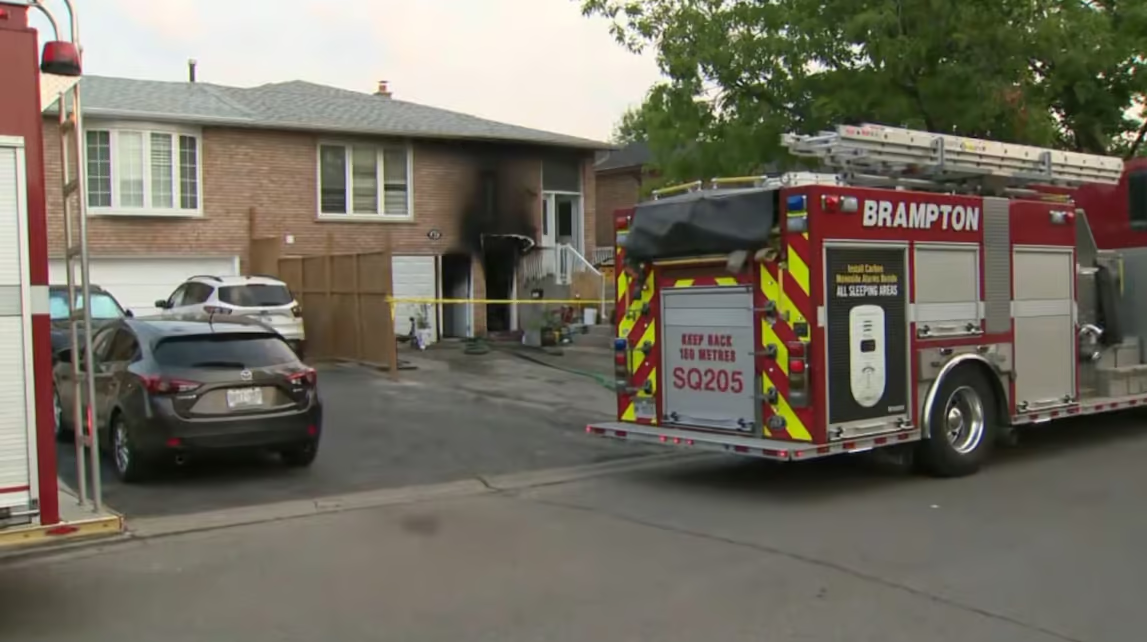
A recent Brampton case has brought this issue back into the spotlight.
According to CTV News, a Brampton property owner was convicted in connection with a 2023 residential fire that resulted in the deaths of a pregnant woman and her three-year-old child.
The case is a tragic reminder that rental-property compliance is not simply about paperwork. Building requirements, fire safety measures, permits and proper registration exist for a reason.
For anyone who owns, rents, manages, or is considering creating an additional rental unit, this case carries an important lesson:
Never assume that because a space can be rented, it is legally or safely ready to be rented.
A Basement Isn’t Automatically a Legal Rental Unit
One of the biggest misconceptions among property owners is that finishing a basement automatically makes it suitable for tenants.
It doesn’t.
A basement may look completely finished—with bedrooms, a kitchen, bathroom and separate entrance—while still failing to meet the requirements for a legal additional residential unit.
Depending on the property and municipality, requirements may involve issues such as:
- Building permits
- Proper registration
- Fire separation
- Smoke and carbon monoxide alarms
- Safe exits
- Electrical safety
- Appropriate windows and escape routes
- Zoning and building requirements
The exact requirements depend on the property and local regulations.
That’s why owners should verify compliance rather than relying on assumptions or simply copying what another property owner has done.
Brampton Requires Additional Residential Units to Be Registered
Brampton allows additional residential units in detached, semi-detached and townhouse properties, subject to applicable zoning requirements and restrictions.
But there’s an important condition:
To be legal, additional residential units must be registered with the City.
The City specifically describes these requirements as helping ensure additional units are safe, legal and livable.
This means property owners considering a basement apartment, second unit or third unit should check the proper approval and registration process before renting it out.
Fire Safety Should Never Be Treated as a Small Detail
Rental-property safety isn’t something that should only be checked when a tenant complains.
Fire protection, alarms and safe ways to exit a property can become critical during an emergency.
Property owners should therefore take safety requirements seriously from the beginning and ensure that required systems remain properly maintained throughout the tenancy.
A rental property isn’t truly ready simply because it looks finished.
What matters is whether the space meets the applicable safety and legal requirements.
Buying a Property With an Existing Basement Apartment? Check Before You Assume
This issue isn’t limited to owners personally converting basements.
Imagine purchasing an investment property advertised as:
“Finished basement with separate entrance.”
That description doesn’t necessarily tell you whether the basement is a registered legal rental unit.
Before relying on potential basement rental income, buyers should investigate the status of the unit and determine what approvals or upgrades may be required.
This is particularly important for investors whose purchase calculations depend on income from multiple units.
What looks like additional rental income could instead become an unexpected renovation, permit or compliance expense.
Tenants Should Care About This Too
Legal and safe rental housing isn’t only a property-owner issue.
Tenants considering a basement or additional residential unit should also pay attention to basic safety.
Before moving in, it can be helpful to understand whether the unit has appropriate exits, functioning smoke and carbon monoxide alarms, and whether the rental space complies with applicable municipal requirements.
A lower monthly rent should never come at the expense of basic safety.
What Should Property Owners Do Before Renting an Additional Unit?
Before advertising a basement or additional unit for rent, property owners should verify the property’s status.
That may include:
1. Check whether the unit is properly registered
Don’t assume an existing unit was legally created simply because previous owners rented it.
2. Confirm permits and approvals
If renovations or conversions were completed, determine whether the required approvals were obtained.
3. Review fire and life-safety requirements
Make sure required alarms, exits and other safety measures are properly installed and maintained.
4. Address problems before a tenant moves in
Discovering a compliance issue after the property is occupied can make the situation significantly more complicated.
5. Get professional guidance when you’re unsure
Building, zoning, electrical and fire requirements can be technical. When necessary, consult the appropriate municipality and qualified professionals rather than guessing.
Property Management Is More Than Collecting Rent
Cases like this highlight an important part of professional property management that is sometimes overlooked.
Managing a rental property isn’t simply:
Find a tenant → Sign the lease → Collect rent
It also involves understanding the property, identifying potential risks, maintaining proper records, coordinating repairs and ensuring issues are addressed before they become serious.
A professional property manager may not replace building officials, inspectors, electricians or legal professionals, but good property management can help owners recognize when an issue needs further attention and coordinate the appropriate next steps.
Final Thoughts
The Brampton case is tragic, and it carries an important message for anyone involved in rental housing:
Safety and compliance should never be treated as optional.
A finished basement isn’t automatically a legal rental unit. A separate entrance doesn’t automatically mean a unit meets municipal requirements. And the fact that a property has been rented for years doesn’t necessarily mean everything was properly approved.
Before renting an additional unit, property owners should understand its legal status, verify applicable requirements and address potential safety concerns.
For tenants, understanding basic rental-unit safety is equally important.
At Topromanage, we believe good property management begins long before rent is collected. It means paying attention to the condition of the property, communicating clearly, identifying potential risks and helping owners manage their investments responsibly.
A successful rental property shouldn’t only generate income.
It should also provide a safe and properly managed home for the people living there.
Source: CTV News

The Topromanage Experience
Discover decades of industry expertise that covers all of the GTA and Southern Ontario.


Scan A QR Code to Connect With Us
WeChat
WhatsApp