
June 4, 2026 | Blog
Toronto’s New Heat Rules Are Coming | Why Summer Compliance Matters More Than Ever for Landlords
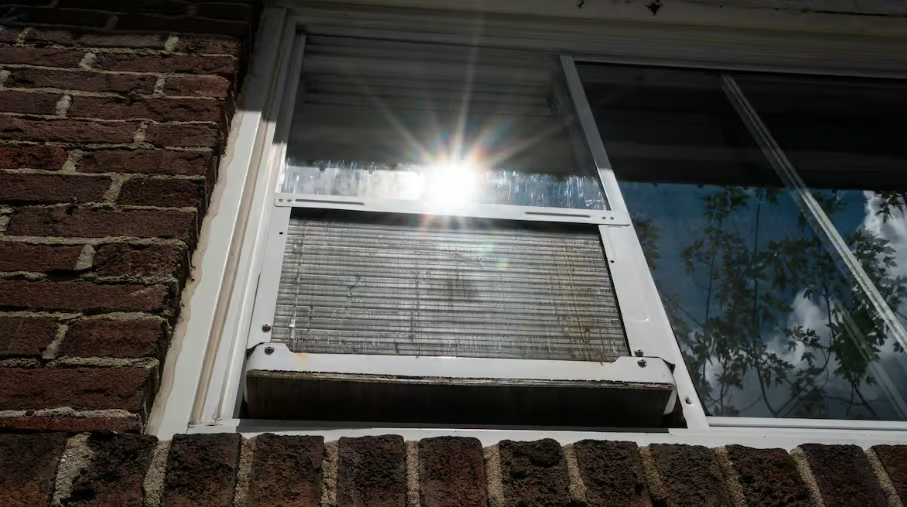
As Toronto continues to experience hotter summers and more frequent heat waves, the city is taking a closer look at indoor temperatures in rental housing. Recent discussions around new heat rule for apartment buildings signal a growing focus on tenant health, safety, and living conditions during extreme weather events.
For landlords and property owners, this is more than just another housing policy update—it reflects a broader shift toward stricter rental housing standards and increased compliance responsibilities.
As rental regulations continue to evolve, proactive property management is becoming more important than ever.
Why Is Toronto Focusing on Indoor Heat?
Over the past several summers, Toronto residents have experienced multiple periods of extreme heat.
While landlords have traditionally focused on winter heating requirements, many apartment residents have raised concerns about excessive indoor temperatures during the summer months.
Common issues reported by tenants include:
- Indoor temperatures exceeding 30°C for extended periods
- Limited ventilation in older buildings
- Apartments without central air conditioning
- South-facing units are experiencing excessive heat buildup
- Health concerns for seniors and vulnerable residents
As climate change contributes to longer and more intense heat waves, municipal governments are increasingly examining how rental housing can better protect residents during extreme weather.
What Could the New Requirements Mean for Landlords?
Although implementation details continue to evolve, the city’s direction is becoming clear.
Future requirements may involve:
- Providing access to designated cooling spaces
- Opening common areas for residents during extreme heat events
- Developing heat-relief plans for buildings
- Ensuring adequate communication with tenants during high-temperature periods
The key takeaway is simple:
Landlords may soon be expected to address not only winter heating concerns but also summer overheating risks.
Why Should GTA Landlords Pay Attention?
Many property owners assume that heat management is primarily the tenant’s responsibility.
However, housing standards across Ontario continue to expand beyond basic maintenance requirements.
Traditionally, compliance focused on:
- Heating systems
- Hot water availability
- Structural maintenance
- Building safety
Today, regulators are paying increasing attention to:
- Indoor air quality
- Fire safety
- Tenant health
- Building conditions
- Climate-related risks
As a result, rental property management is becoming more complex and increasingly focused on preventative maintenance and risk management.
Which Properties Are Most Vulnerable?
Certain rental properties are more likely to experience overheating issues during the summer months.
Older Apartment Buildings
Buildings constructed decades ago often lack modern cooling systems and energy-efficient design features.
Top-Floor Units
Units directly below the roof tend to retain heat and experience higher indoor temperatures.
South-Facing Apartments
Extended sun exposure throughout the day can significantly increase indoor heat buildup.
Buildings with Aging HVAC Systems
Older ventilation and cooling systems may struggle to maintain comfortable indoor conditions during heat waves.
For landlords, identifying these risks early can help prevent future tenant complaints and costly repairs.
The Hidden Costs of Ignoring Heat-Related Complaints
As tenant awareness continues to grow, heat-related complaints are becoming more common.
Failing to address these concerns may lead to:
- Increased tenant dissatisfaction
- Higher turnover rates
- Municipal inspections
- Maintenance disputes
- Negative online reviews
- Additional repair expenses
Even when legal consequences are limited, poor tenant experiences can affect occupancy rates and long-term property performance.
In many cases, preventative action costs far less than reacting after problems arise.
Rental Housing Is Entering a New Era of Compliance
Across the GTA, landlords are already seeing stricter oversight in areas such as:
- Fire safety compliance
- Rental licensing programs
- Property standards enforcement
- Documentation requirements
- Tenant rights protections
The growing focus on heat management is part of the same trend.
The message is becoming increasingly clear:
Owning a rental property is no longer just about collecting rent. It requires ongoing attention to compliance, maintenance, tenant communication, and risk management.
Why More Landlords Are Turning to Professional Property Management
Many landlords still associate property management with collecting rent and coordinating repairs.
In reality, modern property management plays a much broader role.
Professional management helps landlords with:
- Regulatory compliance monitoring
- Preventative maintenance planning
- HVAC inspections and servicing
- Tenant communication and issue resolution
- Documentation and record keeping
- Risk management and problem prevention
For overseas owners, busy professionals, and multi-property investors, professional property management can significantly reduce operational stress while helping protect long-term asset value.
Topromanage | Helping GTA Landlords Stay Compliant and Protected
At Topromanage, we understand that rental property ownership is becoming increasingly complex.
Our services go beyond basic maintenance and rent collection.
We help landlords build a stable, compliant, and professionally managed rental operation through:
- Tenant communication and coordination
- Property maintenance management
- HVAC and seasonal maintenance planning
- Compliance support and documentation
- Risk prevention and issue management
- Long-term asset protection strategies
As regulations continue to evolve, having the right management team can help landlords stay ahead of potential problems while protecting their investment.
Final Thoughts
Toronto’s growing focus on indoor heat management highlights a larger trend across the rental housing industry.
Landlords are facing higher expectations, stricter standards, and greater responsibilities for maintaining safe and comfortable living environments.
The most successful landlords in today’s market are not those who react to problems—they are those who prevent them.
As GTA rental housing continues to evolve, proactive maintenance, regulatory awareness, and professional property management will play an increasingly important role in protecting both tenants and property owners.
Source: CBC

The Topromanage Experience
Discover decades of industry expertise that covers all of the GTA and Southern Ontario.



Scan A QR Code to Connect With Us
WeChat
WhatsApp