
May 29, 2026 | Blog
Toronto Landlord Sentenced Over Fire Safety Violations | What the 500 Dawes Road Case Means for Property Owners
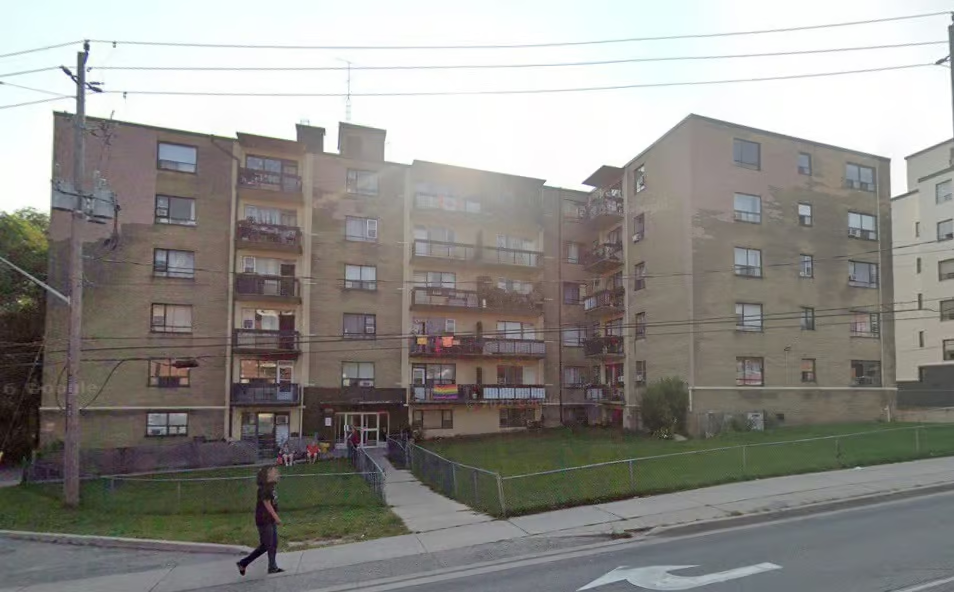
In late May, the owner of the troubled apartment complex at 500 Dawes Road in East York was sentenced for fire safety violations at another property she owned on the same street. The case has attracted significant public attention because of the long history of complaints, maintenance issues, and enforcement actions associated with the Dawes Road properties.
For landlords, property managers, and rental housing providers, the case highlights a growing reality:
- Municipal enforcement is becoming more aggressive
- Safety violations are increasingly carrying serious consequences
- Documentation, maintenance, and compliance are more important than ever
What Happened?
According to Toronto Fire Services and court records, Carolyn Krebs, owner of several rental properties on Dawes Road, was convicted under Ontario’s Fire Protection and Prevention Act for fire safety violations at 608 Dawes Road.
The court imposed:
- 15 days in custody
- A $120,000 fine
- An additional mandatory victim fine surcharge of 25%
Toronto Fire Services stated that the charges resulted from non-compliance with fire safety requirements at the property.
While the conviction was tied to 608 Dawes Road, public attention quickly focused on Krebs’ ownership of 500 Dawes Road, a building that has long been known for tenant complaints about maintenance and safety.
Why Has 500 Dawes Road Become So Well Known?
For years, tenants at 500 Dawes Road have reported serious issues including:
- Deteriorating building conditions
- Repair backlogs
- Pest infestations
- Balcony concerns
- Water and maintenance problems
- Ongoing property standards complaints
The situation eventually became so significant that the City of Toronto stepped in to oversee urgent repair work and strengthen enforcement efforts.
Toronto Mayor Olivia Chow publicly referenced the property while announcing stronger measures against what the City describes as “bad landlords.” The City has also identified 500 Dawes Road as a major example of chronic non-compliance requiring intervention.
The Cost of Ignoring Compliance Is Rising
Many landlords assume that maintenance issues simply lead to repair orders.
However, this case demonstrates that repeated non-compliance can result in far more serious consequences.
Potential risks may include:
- Significant financial penalties
- Court proceedings
- Fire code charges
- Property standards violations
- City-led enforcement actions
- Reputational damage
- Tenant complaints and legal disputes
In a separate proceeding, reports indicate that ownership associated with 500 Dawes Road was also fined $200,000 over property standards violations involving dozens of outstanding issues.
The message from regulators is becoming increasingly clear:
- Landlords are expected to actively maintain their properties
- Safety standards must be met
- Delays and neglect can lead to serious consequences
Why Fire Code Compliance Matters More Than Ever
Fire safety requirements are among the most heavily enforced obligations facing rental property owners.
Common areas of concern include:
- Fire alarms
- Smoke alarms
- Emergency lighting
- Fire separations
- Exit routes
- Fire extinguishers
- Building maintenance affecting safety systems
Even issues that may appear minor at first can become significant liabilities when left unresolved.
Municipalities and fire departments across Ontario continue to increase inspections and enforcement efforts, particularly in buildings with a history of complaints or compliance concerns.
Documentation Is a Landlord’s Best Protection
One of the most important lessons from cases like this is the value of proper documentation.
Property owners should maintain clear records of:
- Maintenance requests
- Repair schedules
- Contractor reports
- Fire safety inspections
- Compliance orders
- Building inspections
- Tenant communications
When regulators, inspectors, or courts become involved, documentation often becomes the strongest evidence that a landlord has acted responsibly.
Without proper records, defending against complaints becomes significantly more difficult.
GTA Rental Housing Is Entering a New Era of Enforcement
The Dawes Road case is part of a broader trend occurring across the GTA.
Municipal governments are placing increasing emphasis on:
- Rental housing standards
- Fire safety compliance
- Tenant protection
- Building maintenance
- Landlord accountability
Across Ontario, landlords are facing:
- More inspections
- Larger fines
- Faster enforcement action
- Greater public scrutiny
The era of ignoring maintenance issues and responding only when problems become severe is rapidly disappearing.
Why More Landlords Are Turning to Professional Property Management
Many property owners believe property management is simply about collecting rent.
In reality, modern property management increasingly involves:
- Compliance monitoring
- Maintenance coordination
- Vendor management
- Documentation systems
- Tenant communication
- Fire code awareness
- Risk prevention
For busy landlords, investors, and overseas owners, staying on top of changing regulations can be challenging.
A missed inspection, delayed repair, or overlooked safety issue can create significant financial and legal exposure.
Topromanage | Helping GTA Landlords Stay Compliant and Protected
At Topromanage, we understand that successful rental ownership today requires much more than finding tenants.
Our goal is to help landlords:
- Maintain compliance
- Coordinate repairs quickly
- Document maintenance properly
- Improve tenant communication
- Reduce operational risk
- Protect long-term property value
As enforcement standards continue to rise across Ontario, proactive property management has become one of the most effective ways to avoid costly problems before they happen.
Final Thoughts
The sentencing connected to the Dawes Road properties is about more than one landlord or one building.
It reflects a larger shift occurring across Toronto’s rental housing market:
- Safety standards are being enforced more aggressively
- Property maintenance expectations are rising
- Cities are increasing accountability for landlords
- Non-compliance is becoming increasingly expensive
For landlords, the lesson is simple:
Maintaining a property is no longer just about protecting an investment.
It is also about meeting legal responsibilities, protecting tenants, and reducing the risk of costly enforcement actions.
Source: Toronto Citynews

The Topromanage Experience
Discover decades of industry expertise that covers all of the GTA and Southern Ontario.



Scan A QR Code to Connect With Us
WeChat
WhatsApp